Green Initiatives: How E-Waste Recycling Services Are Protecting Our Planet
E-waste represents a considerable hazard to the environment, as disposed electronics frequently harbor hazardous substances. These hazardous substances can contaminate soil and water, causing extensive damage to surrounding ecosystems. E-waste recycling initiatives provide a practical answer. They successfully retrieve useful resources while simultaneously minimizing environmental pollution. Gaining insight into how these programs function and affect local communities is critical. Pursuing efficient e-waste management brings forth pressing questions regarding individual duties and shared responsibility. What actions should be considered going forward?
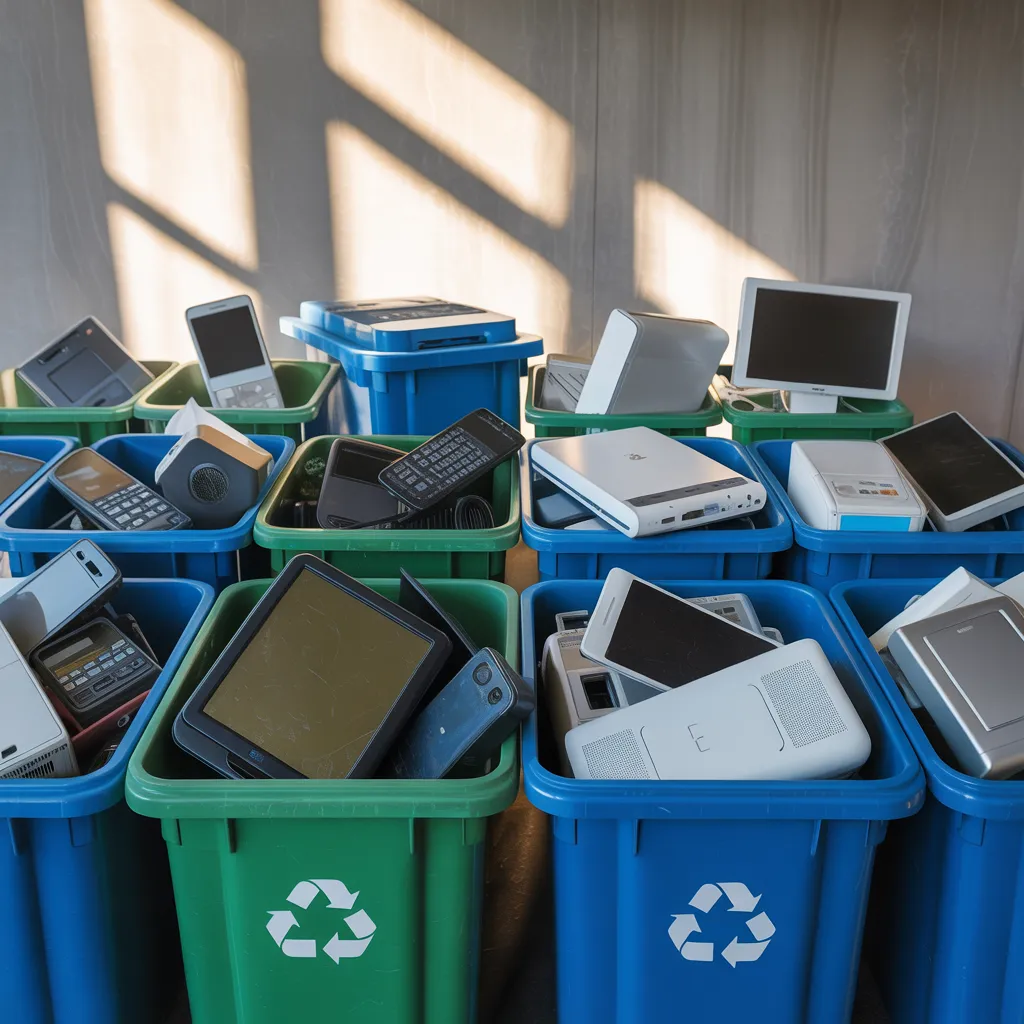
Why Electronic Waste Is Harmful to the Planet
Although technology enhances contemporary living, electronic waste presents considerable environmental hazards. Abandoned electronic gadgets, commonly laden with toxic substances including cadmium, lead, and mercury, are capable of seeping pollutants into soil and groundwater, presenting dangers to human health and ecosystems. The rapid pace of technological advancement contributes to higher rates of electronics disposal among consumers, intensifying the growing problem of electronic waste.
Landfills, already strained by waste, are unable to keep up with the rising quantities of abandoned electronics. Burning, an alternative disposal approach, discharges toxic contaminants into the air, worsening overall air quality. Furthermore, inadequate recycling methods can result in the shipment of electronic waste to underdeveloped nations, where workers may break down equipment without proper protective measures, putting themselves at risk of exposure to hazardous materials. This ongoing cycle of carelessness and inadequate management emphasizes the pressing necessity for responsible recycling initiatives that can lessen the harmful consequences of e-waste on our world.
What Is E-Waste and Why Is It Important?
E-waste, or electronic waste, includes obsolete electronic products like computers, smartphones, and televisions that are no longer functional or needed. This growing category of waste is significant because of its swift buildup, driven by technological advancements and consumer trends. As more devices become obsolete, the environmental impact intensifies, with dangerous elements including lead, mercury, and cadmium presenting serious hazards to the environment and human well-being.
Addressing e-waste is crucial not only for reducing these dangers but also for acknowledging the precious materials found within it. Precious metals and rare earth elements can be recovered and reused, reducing the need for mining and conserving natural resources. Through a deeper awareness of e-waste and its consequences, both individuals and organizations can make well-informed choices regarding disposal and recycling, thereby supporting a more sustainable future. Effective handling of e-waste is vital for encouraging a circular economy and advancing environmental responsibility.
The Way E-Waste Recycling Functions
Recycling e-waste involves an organized procedure aimed at reclaiming useful resources while reducing harm to the environment. To begin, electronic waste is gathered and delivered to dedicated processing centers. After reaching the facility, the electronics are carefully categorized to separate hazardous components from recyclable materials.
Subsequently, workers deconstruct the devices, separating metals, plastics, and glass. This phase is essential, as it enables the recovery of high-value metals like gold, silver, and copper, which may be utilized in new electronic devices.
Subsequently, the isolated materials are treated through sophisticated techniques, such as mechanical shredding and Browse all chemical processing, to cleanse them for reuse.
In the final step, the leftover dangerous materials are managed properly, adhering to environmental guidelines. This comprehensive process not only preserves valuable resources but also reduces the dangers linked to unsafe e-waste handling, guaranteeing a greener future for electronic consumption.
Why E-Waste Recycling Matters for You and Your Community
Although it often goes unnoticed, the positive effects of e-waste recycling reach well past personal use to meaningfully influence entire communities. By properly recycling electronic waste, individuals contribute to a healthier environment, reducing hazardous materials that can leach into soil and water. This responsible method helps preserve local ecosystems and promotes public health.
Furthermore, the recycling of e-waste encourages workforce growth within communities. Community recycling operations commonly require workers for numerous tasks, from collection to processing, thereby providing employment opportunities within the community. This not only boosts the local economy but also inspires community dedication to sustainable efforts.
Furthermore, awareness of e-waste recycling may result in community outreach programs, enabling residents to embrace sustainable practices. By participating in e-waste recycling programs, individuals promote a culture of sustainability, motivating others to join the movement. All things considered, the shared impact of these actions can lead to a more resilient and environmentally responsible community.
How to Pick an E-Waste Recycling Service
Choosing the right electronic waste recycling provider is vital for making sure that electronic refuse is handled in a responsible and sustainable manner. To begin, individuals should check the provider's credentials, such as R2 and e-Stewards certifications, which signify compliance with professional guidelines for safe recycling practices. Additionally, it is advisable to examine the provider's credibility by checking reviews and seeking recommendations from trusted sources.
Next, openness in the recycling process is crucial. A dependable company should offer detailed insights about the manner in which e-waste is managed and what becomes of the materials. Moreover, assessing the variety of services available can be advantageous; certain providers may offer collection services or present rewards for recycling.
In addition, familiarizing yourself with regional rules concerning e-waste disposal may further shape the evaluation process. Through focusing on these key aspects, individuals can contribute to efficient electronic waste handling while supporting eco-friendly habits.
How You Can Take Part in E-Waste Recycling?
Engaging in e-waste recycling may begin at the local level, where community recycling hubs frequently offer essential services for safe disposal. Moreover, joining community awareness campaigns can strengthen efforts to educate others about the importance of proper e-waste handling. Such efforts not only encourage sustainable practices but also build a collective sense of accountability for the environment.
Area Recycling Stations
Several local recycling centers serve a vital function in recycling electronic waste, providing communities with accessible options to manage electronic waste appropriately. These facilities handle a selection of electronic items, including outdated computers, mobile phones, and TVs, ensuring that harmful materials are handled safely. Most centers are equipped with qualified professionals who are able to assist individuals with correct disposal techniques, emphasizing the importance of recycling over landfilling. Additionally, several stations organize planned drop-off gatherings or set collection days, allowing residents to take part with ease. By taking advantage of these neighborhood resources, individuals contribute to a circular economy, decreasing environmental damage and advancing sustainable approaches. Engaging with these centers allows communities to address e-waste pollution proactively.
Community Education Campaigns
Community groups, educational institutions, and companies can work together to organize events that support e-waste collection drives. Volunteers can play a pivotal role in spreading awareness, distributing educational materials, and engaging with the community. By means of these joint initiatives, local inhabitants gain greater awareness and encouragement to properly recycle their e-waste, thereby helping to build a greener and more sustainable tomorrow.
Common Questions and Answers
What Kinds of Electronics Can Be Recycled?
A wide range of electronics are able to be recycled, including smartphones, computers, laptops, televisions, printers, and gaming consoles. In addition, peripherals such as keyboards, mice, and batteries are also suitable for recycling, aiding in sustainable environmental practices.
Are There Any Costs Associated With E-Waste Recycling?
That's correct, electronic waste recycling can include charges, based on the facility. Some service centers impose charges for gathering or treatment, while other facilities provide no-cost solutions, frequently supported by the sale of reclaimed components.
How Can Businesses Benefit From E-Waste Recycling?
Companies can take advantage of e-waste recycling by lowering disposal expenses, improving their green reputation, complying with regulations, recovering valuable materials, and possibly earning income through resale, ultimately contributing to a more sustainable operational strategy.
What Becomes of Data on Recycled Devices?
Data on refurbished equipment is often completely removed or destroyed during processing. This ensures sensitive information remains secure, preventing unauthorized access while allowing materials to be reused securely and sustainably across new manufacturing processes.
Are Broken Electronics Eligible for Recycling?
Absolutely, broken electronics may be recycled. Many centers process damaged devices, ensuring proper disposal and recovery of precious materials. Doing so helps decrease harm to the environment while encouraging eco-friendly recycling methods to manage electronic waste efficiently.
Comments on “Expert Insights to Electronics Recycling Services”