Eco-Friendly Approaches: How E-Waste Recycling Services Are Preserving Our Planet
Electronic waste presents serious dangers to the environment, as discarded electronics often contain toxic materials. Such dangerous compounds can pollute soil and water supplies, leading to broader ecological damage. E-waste recycling services present a viable solution. They serve the dual purpose of reclaiming precious materials and reducing contamination. Comprehending the operation of these services and their influence on communities is of great importance. Pursuing efficient e-waste management brings forth pressing questions regarding individual duties and shared responsibility. What measures can be pursued from this point onward?
How E-Waste Is Hurting the Planet
Even though technology enhances our daily lives, electronic waste presents considerable environmental hazards. Abandoned electronic gadgets, often containing dangerous compounds like cadmium, lead, and mercury, can leach toxins into the surrounding soil and water supply, creating hazards for both wildlife and human well-being. The swift progression of technology leads to greater consumer replacement of electronic devices, exacerbating the accumulation of e-waste.
Landfills, already strained by waste, are unable to keep up with the rising quantities of abandoned electronics. Incineration, another disposal method, releases harmful pollutants into the atmosphere, contributing to air quality degradation. In addition, improper recycling practices can lead to the exportation of e-waste to developing countries, where laborers may dismantle devices without adequate safety measures, exposing themselves to dangerous substances. This cycle of neglect and improper handling underscores the urgent need for sustainable recycling solutions that can mitigate the adverse effects of e-waste on the planet.
What Is E-Waste and Its Importance?
E-waste, also referred to as electronic waste, comprises obsolete electronic products such as smartphones, computers, and televisions that are no longer functional or needed. This growing category of waste is significant due to its rapid accumulation, fueled by innovation in technology and shifting consumer habits. As growing numbers of electronics become outdated, the environmental impact intensifies, with toxic materials such as lead, mercury, and cadmium presenting serious hazards to the environment and human well-being.
Addressing e-waste is crucial not only for reducing these dangers but also for acknowledging the precious materials found within it. Valuable metals and rare earth materials can be extracted and repurposed, lessening the demand for mining and preserving natural resources. By understanding e-waste and its implications, individuals and organizations can make informed decisions about disposal and recycling, ultimately contributing to a more sustainable future. Proper management of e-waste is essential for fostering a circular economy and promoting environmental stewardship.
The Way E-Waste Recycling Functions
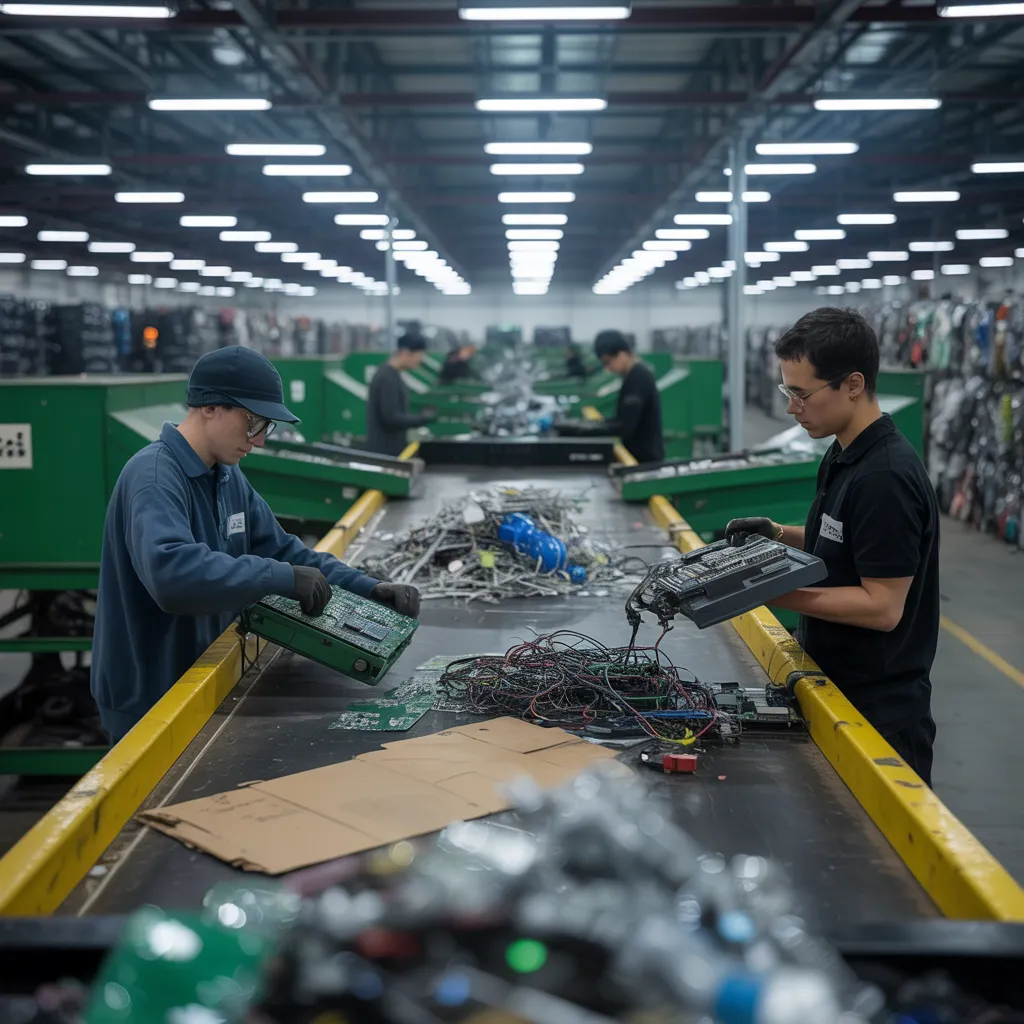
E-waste recycling entails a systematic process intended to extract beneficial components while reducing harm to the environment. At the outset, discarded electronics are retrieved and sent to purpose-built recycling plants. Upon arrival, the devices undergo thorough sorting to isolate dangerous parts from recoverable materials.
Subsequently, employees deconstruct the electronics, removing plastics, metals, and glass. This process is vital, as it facilitates the retrieval of precious metals like silver, gold, and copper, which may be utilized in modern electronics.
Following this, the sorted materials are treated via state-of-the-art techniques, such as chemical treatments and shredding, to prepare them for recycling.
Ultimately, the remaining hazardous materials are disposed of responsibly, complying with environmental guidelines. This comprehensive process not only preserves valuable resources but also mitigates the risks associated with improper e-waste disposal, ensuring Get started a more sustainable future for electronic consumption.
How E-Waste Recycling Benefits You and Your Community
Although it often goes unnoticed, the advantages of e-waste recycling extend beyond personal convenience to positively impact entire communities. By responsibly disposing of electronic waste, individuals play a role in creating a healthier environment, minimizing toxic components that can leach into soil and water. This forward-thinking practice helps preserve local ecosystems and advances public health.
Furthermore, e-waste recycling promotes the creation of jobs in communities. Regional recycling centers frequently need staff for diverse activities, from collection to processing, therefore offering work opportunities within the community. This not only boosts the local economy but also promotes community participation in sustainable initiatives.
Additionally, familiarity with e-waste recycling is capable of inspiring learning opportunities, equipping residents to adopt eco-friendly choices. By enrolling in e-waste recycling programs, individuals cultivate a culture of sustainability, inspiring others to join the movement. In summary, the cumulative impact of these actions can lead to a more robust and eco-friendly community.
How to Pick an E-Waste Recycling Service
Picking the best electronic waste recycling provider is vital for guaranteeing that e-waste is handled with responsibility and sustainability. Initially, people should check the service's credentials, such as R2 and e-Stewards certifications, which signify adherence to professional guidelines for responsible recycling methods. It's also important to examine the provider's standing by checking reviews and obtaining recommendations from trusted sources.
Next, clarity in the recycling process is essential. A reliable service should supply straightforward details about the manner in which e-waste is managed and what happens to the materials. Furthermore, considering the scope of services provided can prove valuable; some companies may provide pickup services or offer incentives for recycling.
Finally, understanding regional rules concerning e-waste disposal can further guide the evaluation process. By prioritizing these factors, people are able to support effective e-waste management while also advancing sustainable environmental efforts.
How You Can Take Part in E-Waste Recycling?
Getting involved with e-waste recycling may begin at the local level, where recycling centers often provide essential services for proper disposal. Furthermore, joining community awareness campaigns can amplify efforts to raise awareness about the importance of ethical e-waste practices. These actions not only promote sustainability but also build a collective sense of responsibility toward the environment.
Nearby Recycling Facilities
A wide range of neighborhood recycling stations fulfill a critical purpose in the recycling of e-waste, giving communities practical solutions to dispose of electronic waste responsibly. These facilities handle a variety of electronic items, including aging computers, cell phones, and television sets, guaranteeing that dangerous substances are processed safely. The majority of facilities employ trained staff who can guide individuals on proper disposal methods, underscoring the benefits of recycling compared to landfilling. In addition, many centers offer organized drop-off opportunities or appointed collection periods, enabling residents to engage without difficulty. By engaging with these local facilities, community members advance a circular economy, lowering environmental harm and encouraging sustainable habits. Engaging with these centers enables communities to combat e-waste pollution successfully.
Public Awareness Initiatives
Community groups, educational institutions, and companies can partner to arrange initiatives that encourage e-waste collection drives. Volunteers can play a pivotal role in promoting knowledge, handing out educational content, and interacting with the surrounding community. By means of these joint initiatives, residents become more informed and motivated to recycle their electronic waste, thus playing a meaningful role in creating a more environmentally responsible future.
Frequently Asked Questions
What Electronic Devices Are Eligible for Recycling?
A wide range of electronics may be recycled, including computers, smartphones, televisions, laptops, gaming consoles, and printers. In addition, accessories such as mice, keyboards, and batteries are equally appropriate for recycling, aiding in efforts to conserve the environment.
Do Any Costs Come With E-Waste Recycling?
Yes, e-waste recycling may involve charges, subject to the facility. Some service centers impose charges for collection or processing, while other facilities provide no-cost solutions, frequently supported by the sale of reclaimed components.
What Are the Benefits of E-Waste Recycling for Businesses?
Businesses can benefit from e-waste recycling by reducing disposal costs, improving their green reputation, adhering to regulatory requirements, reclaiming useful materials, and potentially generating revenue through resale, ultimately contributing to a more sustainable operational strategy.
What Occurs with Data on Recycled Devices?
Data regarding repurposed equipment is often permanently erased or eliminated throughout the recycling process. This guarantees confidential data stays protected, preventing unauthorized access while allowing materials to be recycled carefully and ethically within new applications.
Are Broken Electronics Eligible for Recycling?
Yes, defective electronics can be recycled. A wide range of recycling centers accept defective devices, ensuring responsible disposal and extraction of valuable materials. Doing so helps reduce harm to the environment while promoting eco-friendly recycling methods to manage e-waste effectively.
Comments on “Helpful Tips to Electronics Recycling”